
SECURE DOCUMENT STORAGE SERVICES FOR BUSINESSES
At GRM Information Management, we provide secure offsite document storage solutions that help organizations protect critical business records, maintain compliance, and access archived information whenever it’s needed.
Our facilities, inventory management systems, and records management expertise allow organizations to manage physical documents securely today while preparing for the digital workflows of tomorrow.

Key Benefits:

Reduce operational costs by eliminating internal storage infrastructure

Personalized customer service

Protect sensitive records in secure document storage facilities

Strengthen regulatory compliance with structured records governance

Improve document retrieval efficiency through digital inventory systems

Scale records storage infrastructure as your organization grows
Document Storage Overview
Document storage services allow organizations to securely manage large volumes of physical business records within professionally managed offsite storage facilities. Businesses across healthcare, financial services, legal, and government sectors rely on document storage providers to protect sensitive information, maintain compliance with regulatory retention requirements, and ensure reliable access to archived records.
As organizations grow, storing records internally can become inefficient and expensive. Professional document storage facilities provide secure environments, controlled access systems, and inventory tracking technologies that allow businesses to manage records responsibly while keeping them accessible when needed.
At GRM Management, we work closely with organizations to implement secure document storage solutions that protect important information while improving operational efficiency and supporting long-term records management strategies.
WHAT IS DOCUMENT STORAGE?
Document storage refers to the secure management and long-term preservation of physical business records within controlled storage facilities. These services enable organizations to protect sensitive documents, enforce retention policies, and ensure reliable access to archived information.
Core Components of Document Storage
- Secure document storage facilities
- Barcoded inventory tracking systems
- Controlled chain-of-custody procedures
- Records retrieval and delivery services
- Records retention and destruction management
How Document Storage Works in Business Environments
- Secure transport and intake of records
- Digital indexing and inventory management
- Controlled access and secure storage infrastructure
- On-demand document retrieval services
| Service | Description |
|---|---|
| Document Storage | Secure physical storage of business records |
| Records Management | Governance of the entire records lifecycle |
| Document Scanning | Conversion of physical documents into digital files |
WHY DOCUMENT STORAGE MATTERS
Organizations generate large volumes of documents that must be preserved for operational, legal, and regulatory purposes. Managing these records internally often leads to inefficiencies, rising costs, and increased compliance risk.
Working with a professional document storage provider such as us allows organizations to maintain secure records storage while keeping important information accessible when it’s needed.
Core Components Of Document Storage
- Growing document volumes across organizations
- Increasing regulatory compliance requirements
- Rising operational costs associated with on-site storage
- Security and privacy protection mandates
- Audit and litigation preparedness
Business Challenges
Cost Inefficiencies
Many organizations devote valuable office space to storing inactive records.
Impact:
Rising real estate costs and reduced workspace efficiency.
Compliance Gaps
Manual document storage practices can make it difficult to consistently enforce retention policies.
Impact:
Greater exposure to compliance risks and regulatory penalties.
Retrieval Delays
Without structured indexing systems, locating archived documents can take significant time.
Impact:
Reduced productivity and slower operational response.
Data Security Vulnerabilities
Improperly stored records increase the risk of unauthorized access or loss.
Impact:
Legal exposure and reputational risk.
Audit Risk
Unstructured records management practices make responding to audits or legal requests more difficult.
Impact:
Operational disruption and potential compliance issues.
How Document Storage works
Records Assessment & Planning
Organizations begin with an evaluation of existing records inventories and retention requirements
Secure Document Intake
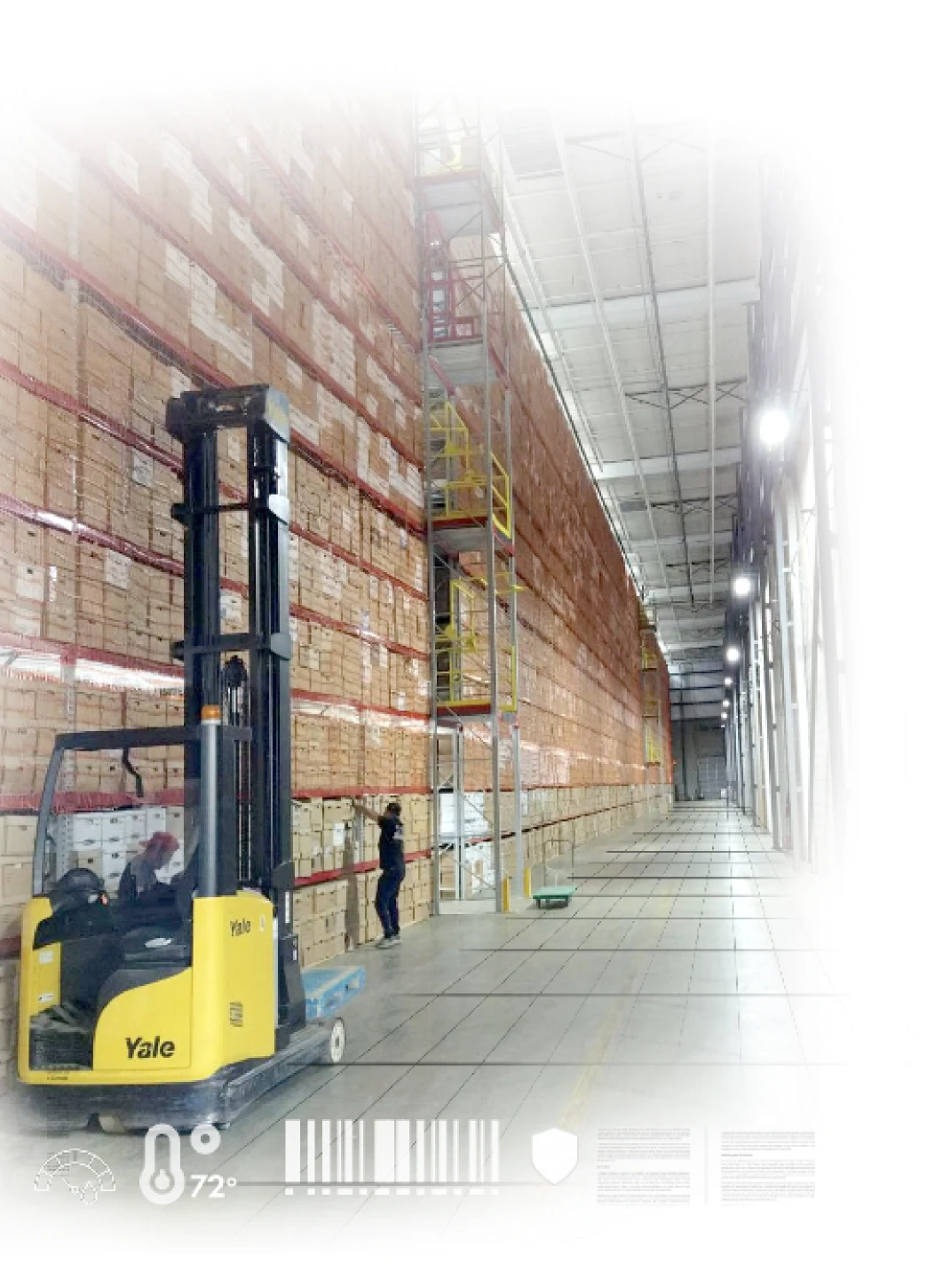
Documents are barcoded, indexed, and securely transported to professional document storage facilities such as those operated by GRM Document Management.
Inventory Management Integration
Records are entered into digital inventory systems that allow organizations to track stored files and manage retrieval requests. GRM customers utilize the eAccess Records Management Portal, which allows them to view inventory, request document retrieval or scanning, and manage records online.
Secure Storage & Retrieval
Documents are stored in climate-controlled facilities with strict access protocols and rapid retrieval capabilities. GRM’s PrecisionPlus chain-of-custody system governs every stage of records handling, from pickup to retrieval and delivery.
Ongoing Records Governance
Retention policies, compliance requirements, and secure destruction schedules are managed throughout the document lifecycle.
| Storage Model | Description | Best For |
|---|---|---|
| Offsite Document Storage | Records stored in secure professional facilities | Organizations managing large document volumes |
| Onsite Document Storage | Records stored within internal office space | Smaller records inventories |
| Physical Document Storage | Long-term preservation of paper records | Compliance-driven industries |
| Managed Records Storage | Storage managed by a document storage company | Organizations seeking governance support |
COMPLIANCE & RISK CONSIDERATIONS

Regulatory Standards
Industries such as healthcare and financial services must comply with strict records retention requirements.

Security Controls
Professional document storage facilities implement advanced security technologies including monitored access, surveillance systems, and environmental protections.

Records Retention
Policies Organizations must retain documents for specific time periods based on regulatory standards.

Legal Defensibility
Structured document storage ensures organizations can quickly produce records during litigation, audits, or regulatory investigations.

Audits
Locate and produce records during internal reviews, regulatory inspections, or legal proceedings.
INDUSTRY APPLICATIONS

Healthcare
Secure storage of medical records and regulatory documentation.
Learn More

Government
Government Secure management of public records and administrative documentation.
Learn More

Legal
Legal Management of case files and archived legal documentation.
Learn More

Financial Services
Financial Services Protection of client records and regulatory filings.
Learn More
WHY GRM DOCUMENT STORAGE SOLUTIONS
At GRM Information Management, document storage is only one part of how we help organizations manage information more effectively.
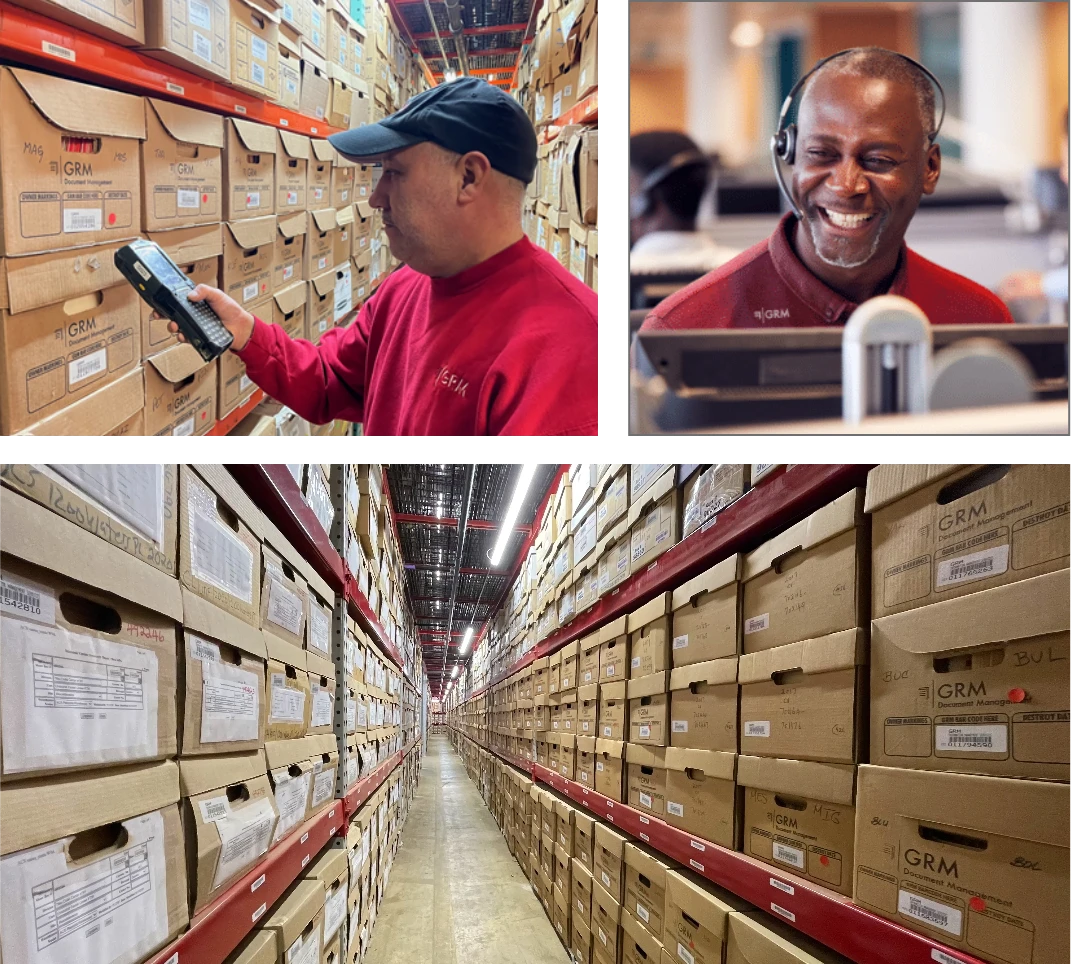
Our clients rely on us because we combine secure storage facilities with experienced teams, reliable processes, and responsive customer support.
GRM prides ourselves on our Customer Service. Each account gets its own dedicated representative with top class customer service. No AI bots or loops with us.
Key differentiators include:
- Secure storage facilities staffed by trained security personnel
- Facilities located in major metropolitan areas across the United States
- Advanced digital inventory and retrieval systems
- Proven chain-of-custody processes for records handling
We currently maintain facilities across 16 major U.S. metropolitan markets, providing organizations with reliable and secure document storage infrastructure backed by responsive service teams.
| In-House Storage | Outsourced Document Storage | |
|---|---|---|
| Consumes office space | → | Offsite storage frees |
| Limited security controls | → | Secure monitored facilities |
| Manual records tracking | → | Barcode inventory systems |
| Slow document retrieval | → | Rapid document access |
| Higher operational cost | → | Scalable cost-efficient storage |
FREQUENTLY ASKED QUESTIONS
What are document storage services?
Document storage services allow organizations to securely store and manage physical records in professionally operated storage facilities. Instead of storing documents in offices or internal warehouses, businesses partner with providers like GRM Information Management to place records in secure offsite document storage facilities where they are protected, indexed, and available for retrieval when needed.
How secure are document storage facilities?
Professional document storage facilities are designed to protect sensitive business records through multiple layers of security. At GRM Information Management, our facilities operate with controlled access procedures, monitoring systems, and strict chain-of-custody protocols. These safeguards ensure documents remain protected while still being accessible when organizations need to retrieve or manage their records.
How quickly can stored documents be retrieved?
What industries use document storage services?
Many industries rely on document storage services to securely manage physical records and meet regulatory requirements. Healthcare providers, law firms, financial institutions, government agencies, and large enterprises frequently use secure offsite document storage to protect sensitive information, maintain proper records retention, and ensure important documents remain accessible when required.
What is the difference between document storage and records management?
Document storage focuses on the secure preservation of physical records in controlled storage facilities. Records management is broader and involves the full lifecycle governance of information, including retention policies, compliance oversight, document destruction, and digital conversion. Organizations often combine document storage services with records management strategies to manage information more effectively.
How does offsite document storage work?
Offsite document storage begins with securely transferring records from an organization’s location to our professional storage facility. Documents are indexed, barcoded, and entered into an inventory management system so they can be easily tracked and retrieved. At GRM Information Management, this process ensures records remain secure while still being accessible whenever organizations need them.
What compliance requirements apply to document storage?
Compliance requirements for document storage vary by industry and regulatory environment. Organizations in sectors such as healthcare, financial services, and government must follow strict guidelines for records retention, data protection, and document security. GRM is a Secure document storage provider to help support these requirements by maintaining controlled facilities and structured records management processes.
How are records tracked in storage facilities?
Records stored in professional document storage facilities are tracked through digital inventory management systems. Each box or file is labeled and indexed so its location and movement can be monitored throughout the storage lifecycle. At GRM Information Management, chain-of-custody procedures ensure that records remain accounted for from intake through retrieval and delivery.
How long should businesses retain documents?
Document retention periods depend on regulatory requirements, industry standards, and an organization’s internal policies. Some records must be retained for several years to meet legal or compliance obligations. Document storage services help organizations manage these requirements by providing secure facilities and structured retention schedules that determine when records should be archived or destroyed.
When should companies move to offsite storage?
Organizations often transition to offsite document storage when internal records begin consuming valuable office space or become difficult to manage. Moving records to secure storage facilities allows businesses to free workspace, improve document organization, and ensure sensitive records are protected while still remaining accessible when needed.
EXPLORE ADDITIONAL RESOURCES FROM GRM DOCUMENT MANAGEMENT





Secure Your Business Records with GRM
Partner with GRM Document Management to implement secure document storage services that protect sensitive records, improve operational efficiency, and strengthen regulatory compliance.