
HIPAA-COMPLIANT DOCUMENT MANAGEMENT FOR HEALTHCARE ORGANIZATIONS
GRM Information Management provides HIPAA-compliant document management services that protect protected health information (PHI) across its lifecycle. GRM stores, scans, and manages healthcare records using controlled access, secure facilities, and verified compliance protocols.
Healthcare organizations reduce regulatory risk and improve record accessibility with structured document management.
WHAT HIPAA REQUIRES FOR DOCUMENT MANAGEMENT
HIPAA requires healthcare organizations to safeguard PHI confidentiality, integrity, and availability. The HIPAA Security Rule defines administrative, physical, and technical safeguards for handling sensitive healthcare data.
What does HIPAA require for document management systems?
HIPAA requires document management systems to restrict access, track activity, and protect PHI from unauthorized exposure.
Core HIPAA requirements include:
- Systems restrict PHI access based on user roles
- Processes maintain audit trails for document activity
- Storage environments protect against unauthorized entry
- Organizations enforce data retention and disposal policies
GRM aligns document handling processes with these requirements using controlled workflows and monitored storage environments.
HIPAA PHYSICAL SAFEGUARDS FOR RECORDS STORAGE
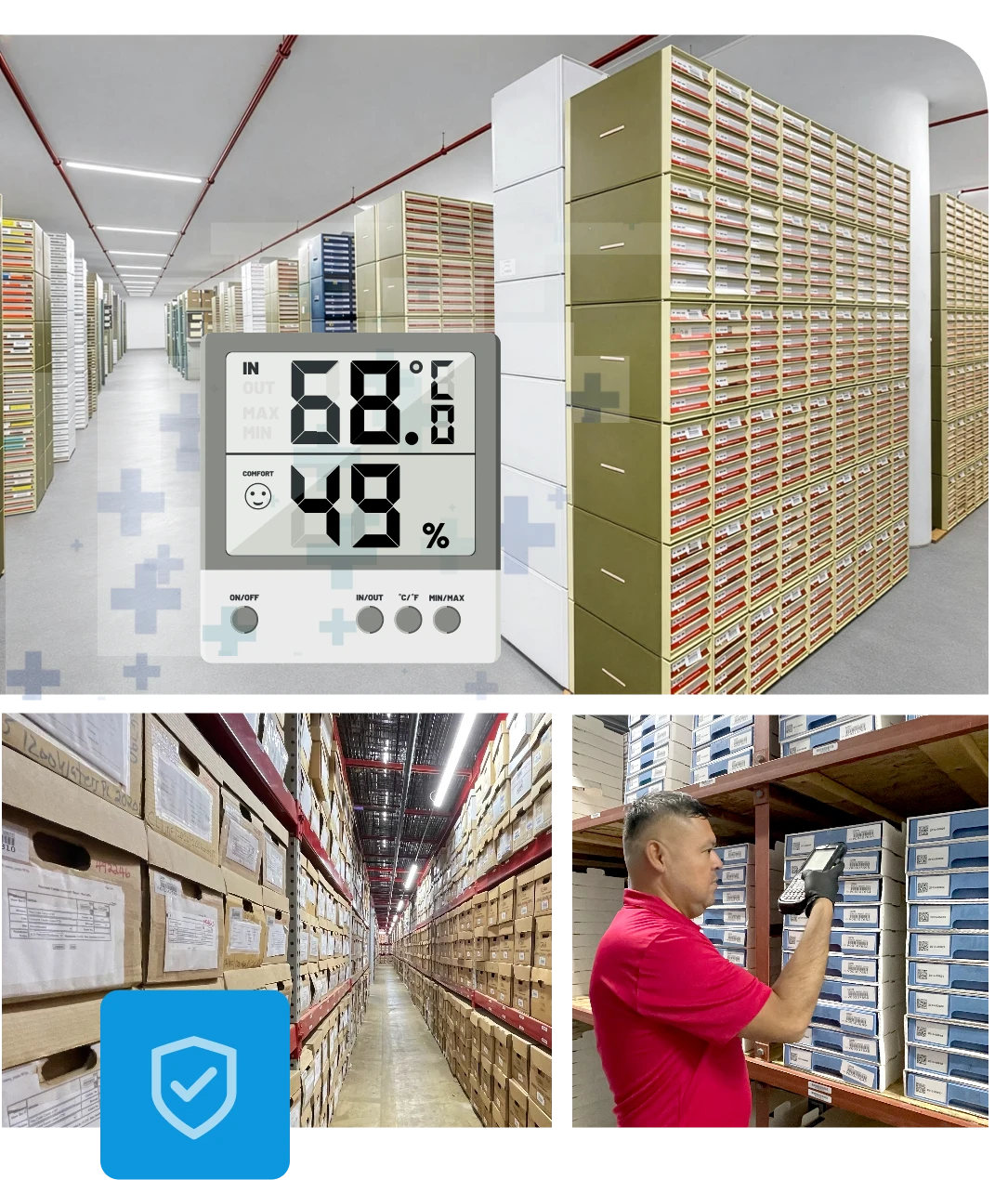
HIPAA mandates physical safeguards to prevent unauthorized access to PHI. Physical document storage must use secure facilities, access controls, and environmental protections.
How does HIPAA regulate physical records storage?
HIPAA requires facilities to limit access, monitor entry, and protect records from damage or loss.
GRM applies the following physical safeguards:
- GRM secures facilities with controlled access systems
- GRM monitors locations using surveillance and logging systems
- GRM tracks record movement with chain-of-custody procedures
- GRM protects documents from fire, water, and environmental risks
GRM stores healthcare records in dedicated environments designed for compliance and long-term protection.

Time to take control of your document storage?
Join 1,000s of other businesses that trust GRM.

HIPAA-COMPLIANT DOCUMENT SCANNING AND DIGITIZATION
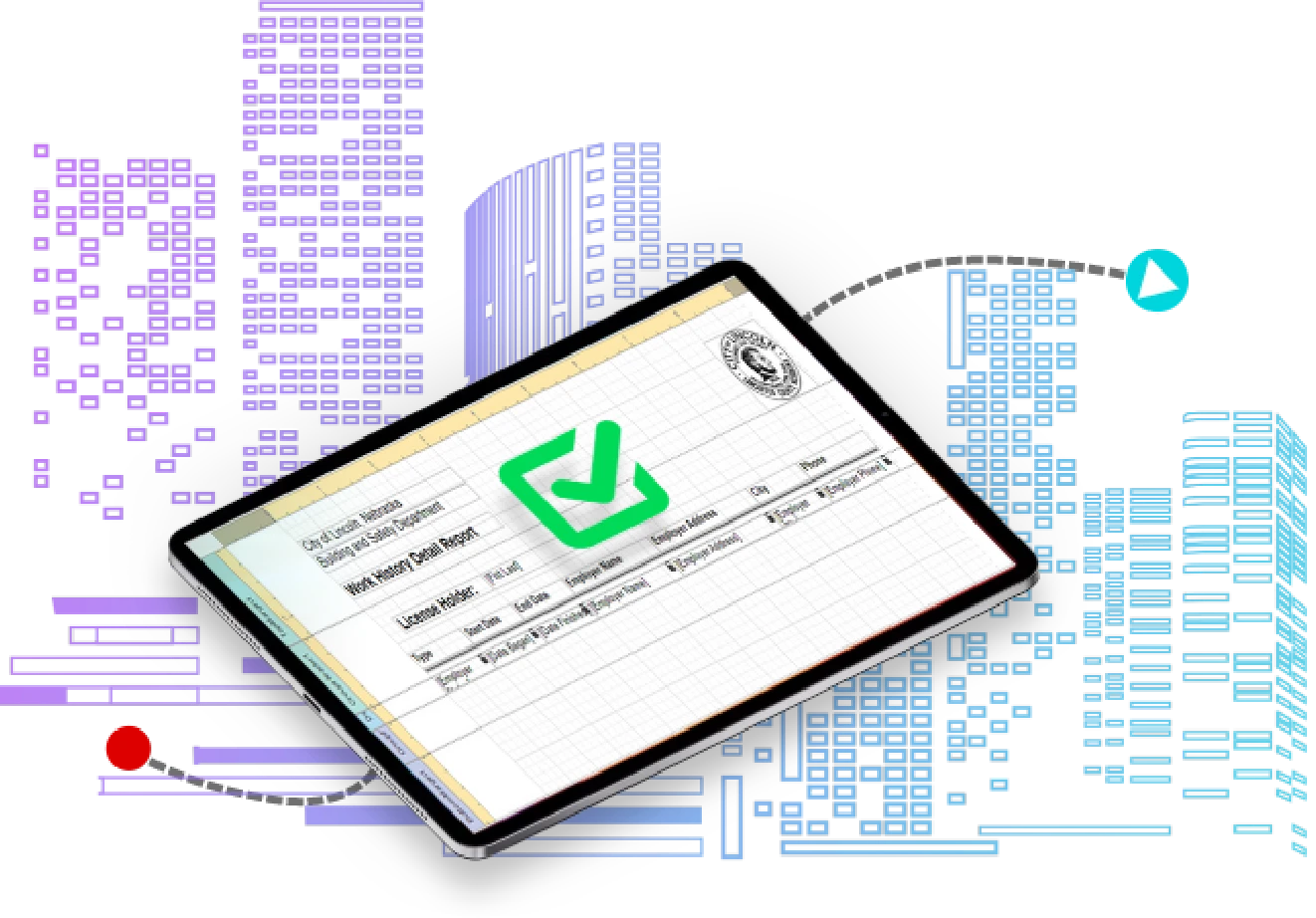
HIPAA allows document digitization when organizations maintain PHI protection during scanning and indexing processes. Document scanning converts physical records into searchable digital formats while preserving compliance controls.
What makes document scanning HIPAA-compliant?
HIPAA-compliant scanning protects PHI during handling, conversion, and indexing while maintaining access restrictions and traceability.
GRM scanning processes include:
- GRM prepares documents using controlled intake procedures
- GRM scans records with secure handling protocols
- GRM indexes files to enable accurate retrieval
- GRM limits access to authorized personnel only
Digitized records improve retrieval speed while maintaining structured access controls.
SECURE DESTRUCTION OF PHI RECORDS
HIPAA requires organizations to securely dispose of PHI when records reach the end of their retention period. Improper disposal increases breach risk and regulatory exposure.
How should PHI records be destroyed under HIPAA?
HIPAA requires PHI destruction methods that render information unreadable and unrecoverable.
GRM destruction services include:
- GRM shreds physical documents using secure processes
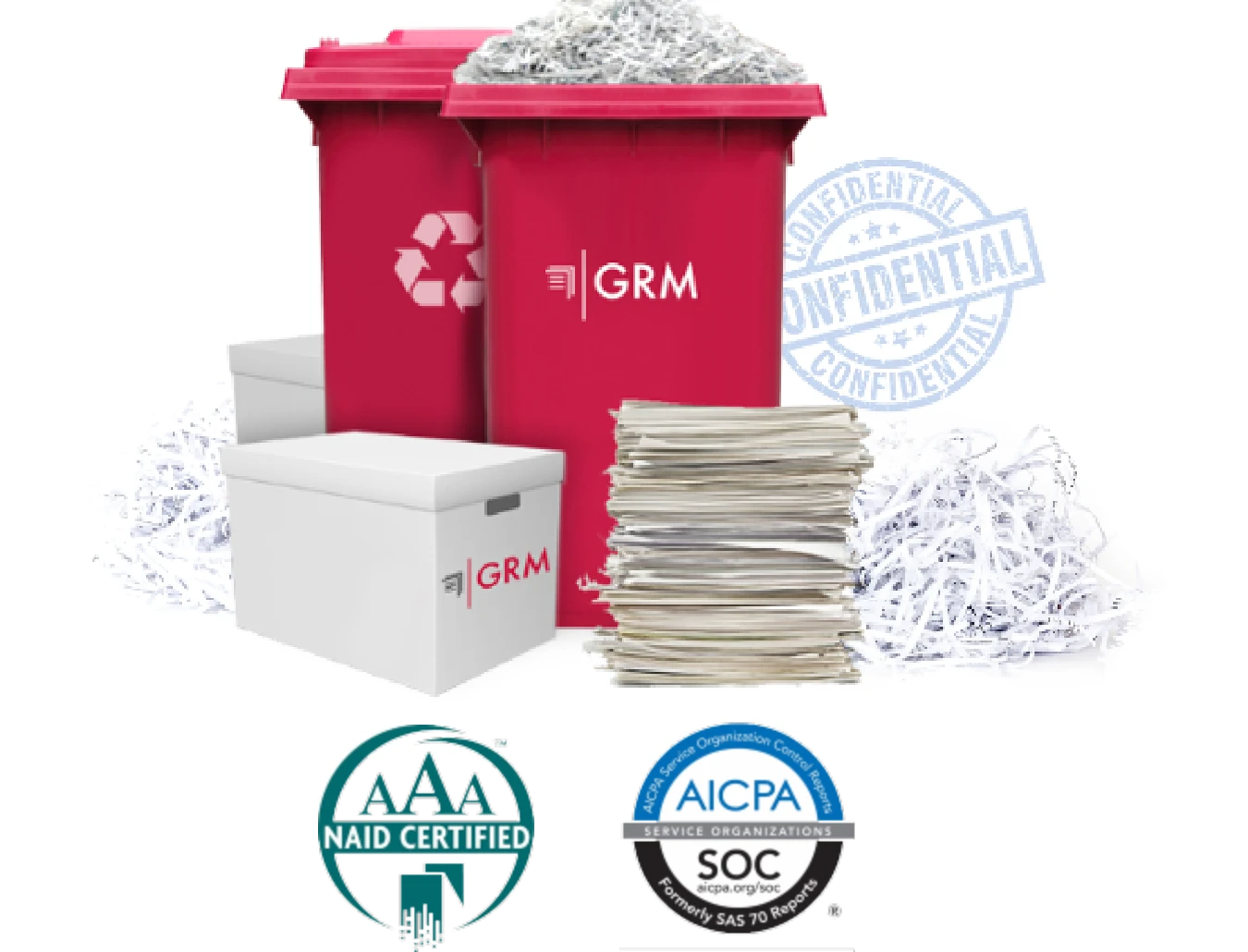
- GRM follows NAID AAA-certified destruction standards
- GRM documents destruction events for accountability
- GRM ensures complete disposal of sensitive records
Secure destruction closes the document lifecycle while maintaining compliance integrity.
HOW GRM ENSURES HIPAA COMPLIANCE
GRM Information Management applies structured controls across storage, scanning, and destruction services to align with HIPAA requirements. GRM combines certified processes, trained personnel, and monitored facilities.
How does GRM support HIPAA compliance?
GRM supports HIPAA compliance by controlling access, tracking records, and maintaining certified operational standards.
GRM compliance capabilities include:
- GRM maintains SOC 2 and NAID AAA certifications
- GRM enforces audit trails for document access and movement
- GRM uses trained teams instead of automated-only workflows
- GRM supports nationwide service coverage across major U.S. markets
Key service locations include:
GRM delivers consistent document management services across these regions with standardized compliance procedures.
FREQUENTLY ASKED QUESTIONS
What is HIPAA document management?
HIPAA document management stores, processes, and protects PHI using secure systems that enforce access control, audit tracking, and regulatory safeguards.
What is considered PHI in document management?
PHI includes patient names, medical records, billing information, and any data linked to health conditions or treatment.
Is offsite document storage HIPAA-compliant?
Offsite storage is HIPAA-compliant when facilities restrict access, monitor activity, and protect records using physical and administrative safeguards.
How does document scanning support healthcare compliance?
Document scanning improves compliance by digitizing records, enabling controlled access, and reducing risks associated with physical document handling.
Why do healthcare organizations outsource document management?
Healthcare organizations outsource document management to reduce compliance risk, improve retrieval speed, and maintain secure storage without internal infrastructure costs.
Request a Quote for HIPAA Document Management
GRM Information Management helps healthcare organizations manage PHI with secure storage, compliant scanning, and verified destruction services.